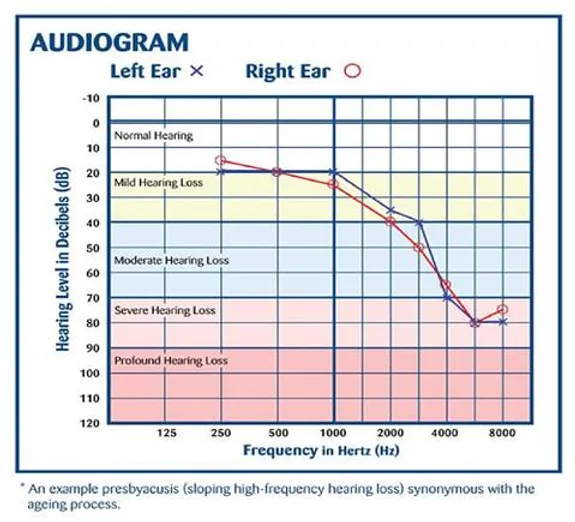
The most common cause of hearing loss is aging, known as presbycusis. Other factors include exposure to loud noises, genetic predisposition, infections, and certain medications.
Hearing aids work by amplifying sounds to make them audible for individuals with hearing loss. They consist of a microphone, amplifier, and speaker, processing and enhancing incoming sounds to improve the wearer's ability to hear and understand speech.
If you experience difficulty hearing conversations, frequently ask people to repeat themselves, or struggle in noisy environments, it's advisable to have a hearing test. A hearing healthcare professional can determine if a hearing aid is suitable for your needs.
In most cases, it is recommended to use two hearing aids, even if only one ear has hearing loss. This helps in better sound localization, improved hearing in noisy environments, and balanced hearing, providing a more natural auditory experience.
The adjustment period varies from person to person. Some individuals adapt quickly, while others may take a few weeks. Regular use and follow-up appointments with a hearing healthcare professional can help optimize the adjustment process.
Hearing aids cannot prevent further hearing loss, but they can significantly improve communication and quality of life for individuals with existing hearing loss. It's crucial to address hearing issues promptly to mitigate potential worsening of the condition.
Yes, regular maintenance is essential. Cleaning the hearing aids, replacing batteries, and scheduling periodic check-ups with a professional ensure optimal performance. Follow the manufacturer's guidelines and your audiologist's recommendations.
Some insurance plans cover the cost of hearing aids, and there are also government programs and non-profit organizations that provide financial assistance. It's advisable to explore available resources and discuss payment options with your healthcare provider.